About us
Our story
One cook, one city, one festival — told here in full.
Caring & committed
Chef Sekinat
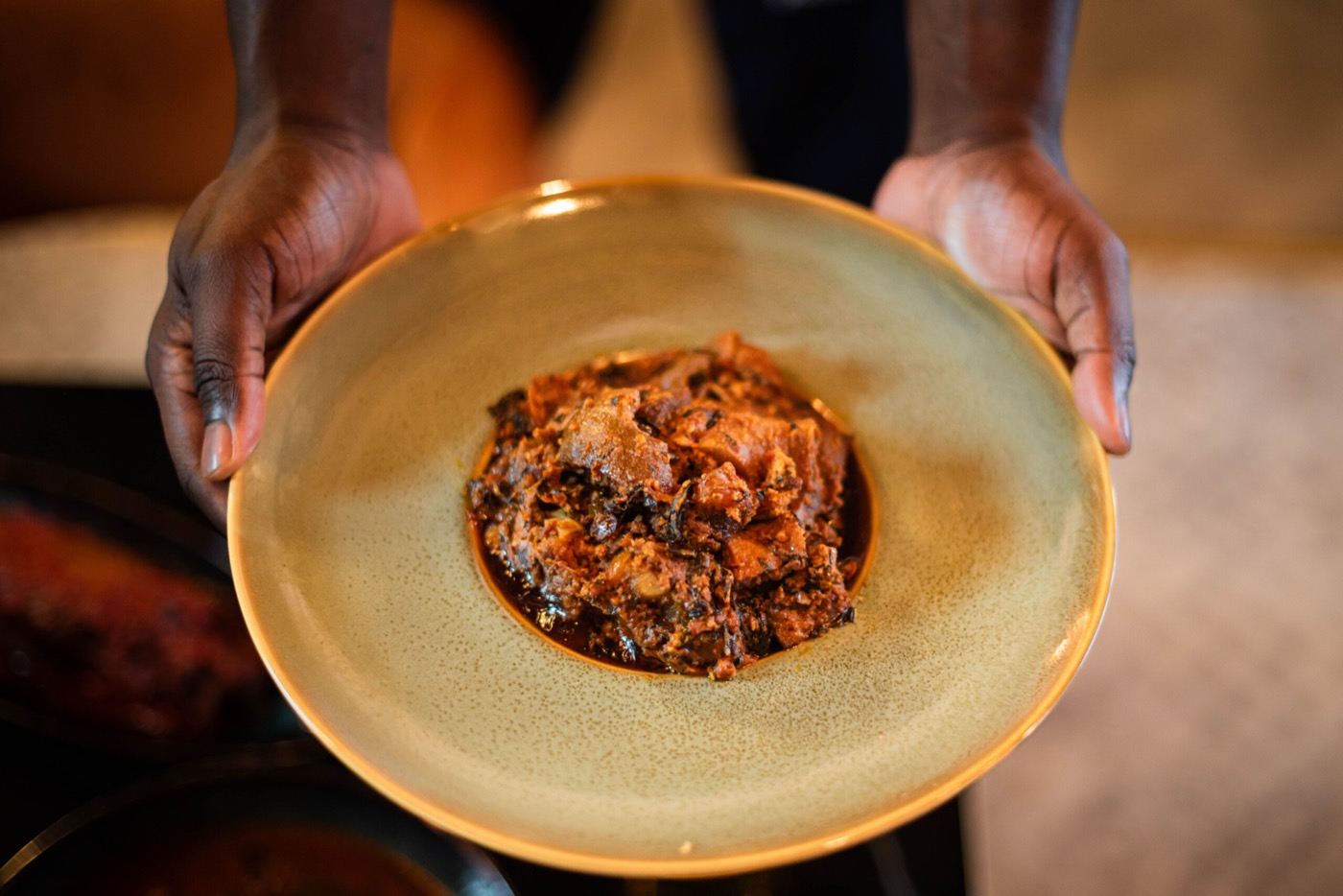
The catering came first, and it lasted twenty years — weddings, birthdays and conferences, authentic Nigerian food cooked in quantity and carried to whichever room the party had booked.
The dining rooms came afterwards, for a plain reason: the people who kept asking for her cooking had nowhere to sit down and eat it. So she opened one. Four rooms on, it is still her recipes on the pass and, in her own words, her caring and committed staff in front of them.
- Before
- Twenty years catering Nigerian food for weddings, birthdays and conferences — the events business that still runs today.
- Then
- A dining room of her own, so that the people who loved the food had a table to eat it at.
- Now
- Four rooms — Kingstanding and Pershore Road in Birmingham, Wolverhampton, and New Cross in London.
What's in a name
Èkó
- The city's own name for itself, in Yoruba
- Lagos — Portuguese for lakes — is what the maps kept
- Capital of Nigeria until December 1991
Two names for one place. Èkó is what the city has always called itself; Lagos is what Portuguese sailors called it as they worked their way down the coast in the fifteenth century, after the lakes and lagoons they found there. Both names stuck, and the city answers to either.
It was the capital of Nigeria until December 1991, when the seat of government moved inland to Abuja — and it kept the kitchens. Its cooking is renowned for being rich and diverse: traditions shaped, as the city was, by its history and its geography.
That is half of the name over the door. The other half is a year.
And the '77
FESTAC '77
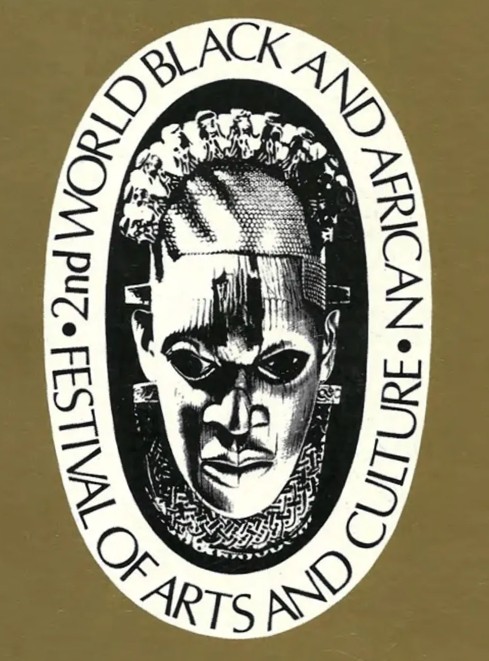
The 2nd World Black and African Festival of Arts and Culture opened in Lagos on 15 January 1977 and ran for four weeks. Around sixteen thousand artists, musicians, writers and scholars came from fifty-six nations; something like half a million people came to watch them.
The city built for it. A National Theatre went up at Iganmu, modelled on the Palace of Culture and Sports in Varna, Bulgaria. A whole estate went up to sleep the delegations, and Lagos still calls that district Festac Town.
- 1966
- The first festival of the series, held in Dakar
- 15 Jan – 12 Feb 1977
- The second, held in Lagos
- 56 nations
- Africa and the diaspora, in one city
- ≈16,000
- Artists and delegates taking part
By putting that year beside the city's name, Chef Sekinat pays homage to Lagos and to the culture that has inspired her cooking.
Authentic & original
African cuisine
in Birmingham
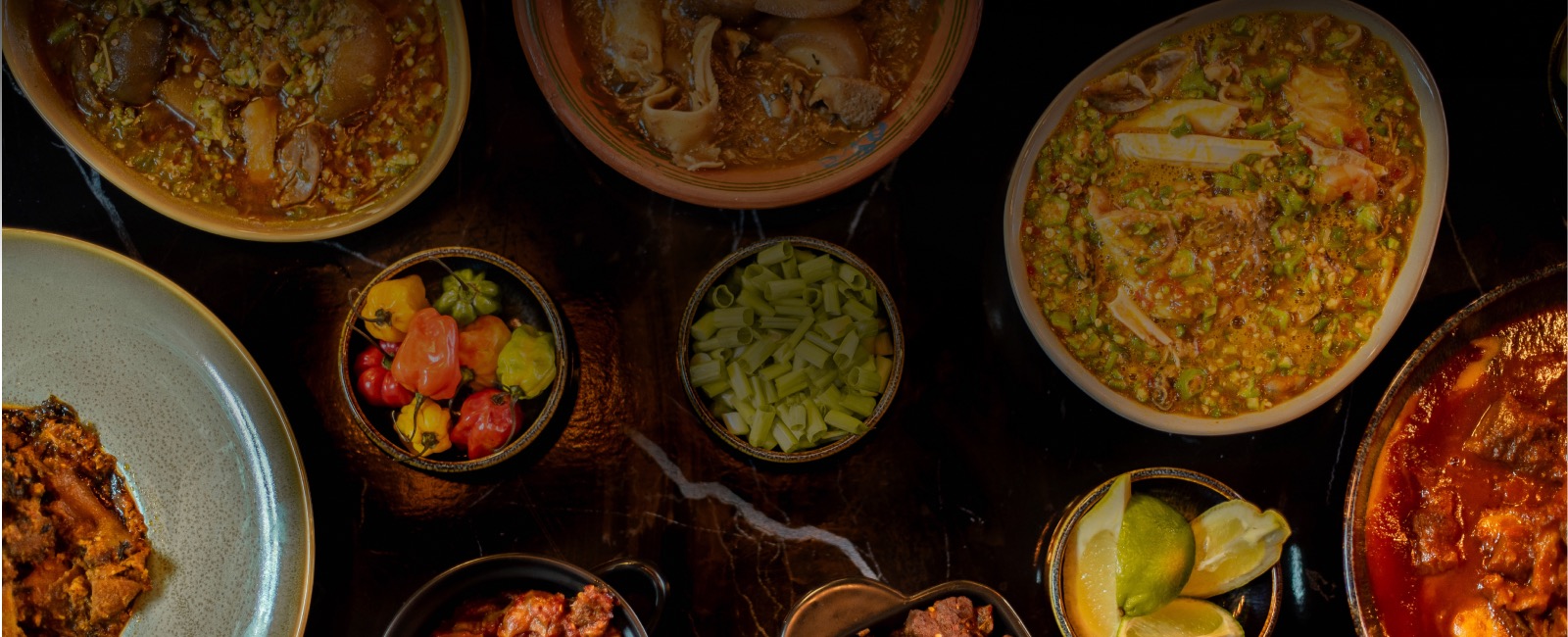
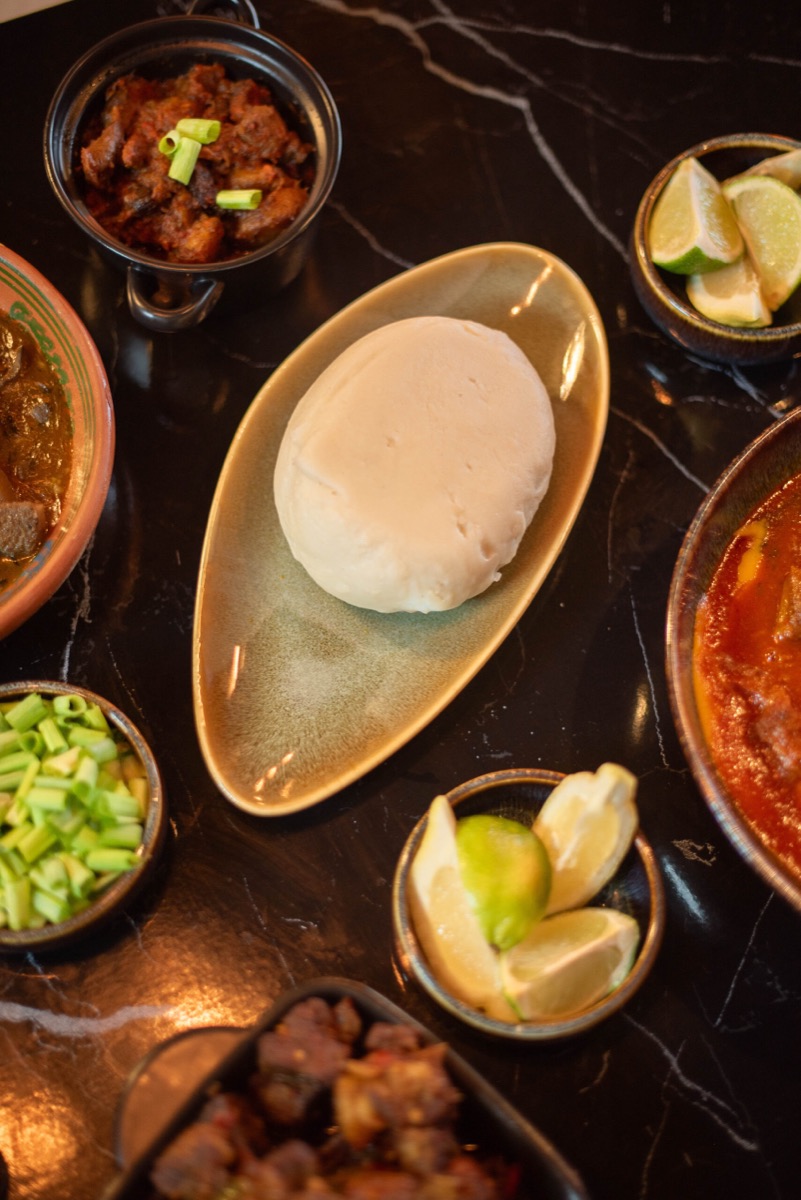
ÉKO '77 specialises in authentic and modern Nigerian cuisine — a menu that carries the traditional and the inventive side by side, because Lagos has never seen a reason to choose between them.
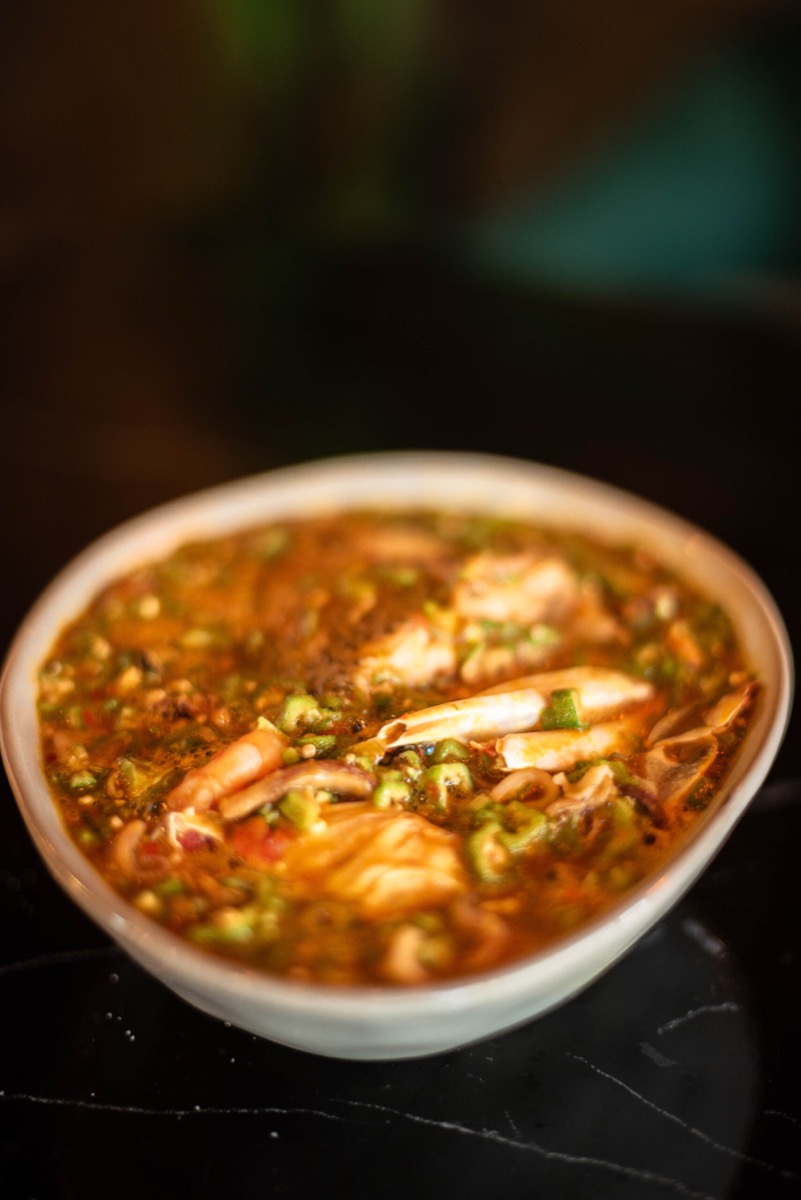
It runs wide: the well-known Nigerian dishes alongside newer ones. Two that stand out are Abula — amala with assorted meat, gbegiri and ewedu — and the special seafood okra soup.
Visit
The short version
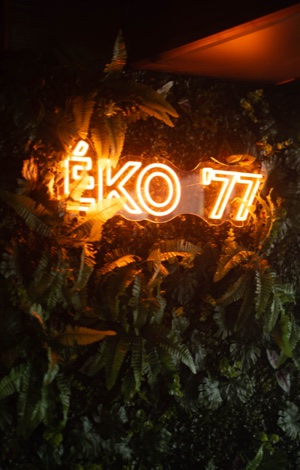
is on the wall
A city and a year, lit up in every dining room. Come and read it over dinner.